While you can get great results using a crop sensor camera, a camera with a full-frame sensor will cheapest canon camera generally make it easier to work in uncontrolled lighting conditions, get more bokeh or background blur, and capture cleaner images with more dynamic range. Though most people don’t necessarily need a full-frame camera, the advantages of a full-frame sensor make them worth considering for those who are serious about photography. Remember that full-frame cameras typically aren’t as portable as their crop-sensor counterparts and tend to come at a premium in price—lenses are usually bigger and pricier, too. However, the barrier to entry is getting lower, with increasingly affordable models available at different budgets.
Thankfully, we’ve done some of the work in narrowing down your options. We’ve bought and tested over 110 cameras, and below, you’ll find our top full-frame mirrorless camera recommendations. If you’re looking for a camera specifically for low-light shooting, you can also look at our recommendations for the best cameras for low light. Meanwhile, if you’re interested primarily in photography, you can check out our list of the best cameras for photography or even more specific picks for landscape photography or wildlife photography, depending on your needs.
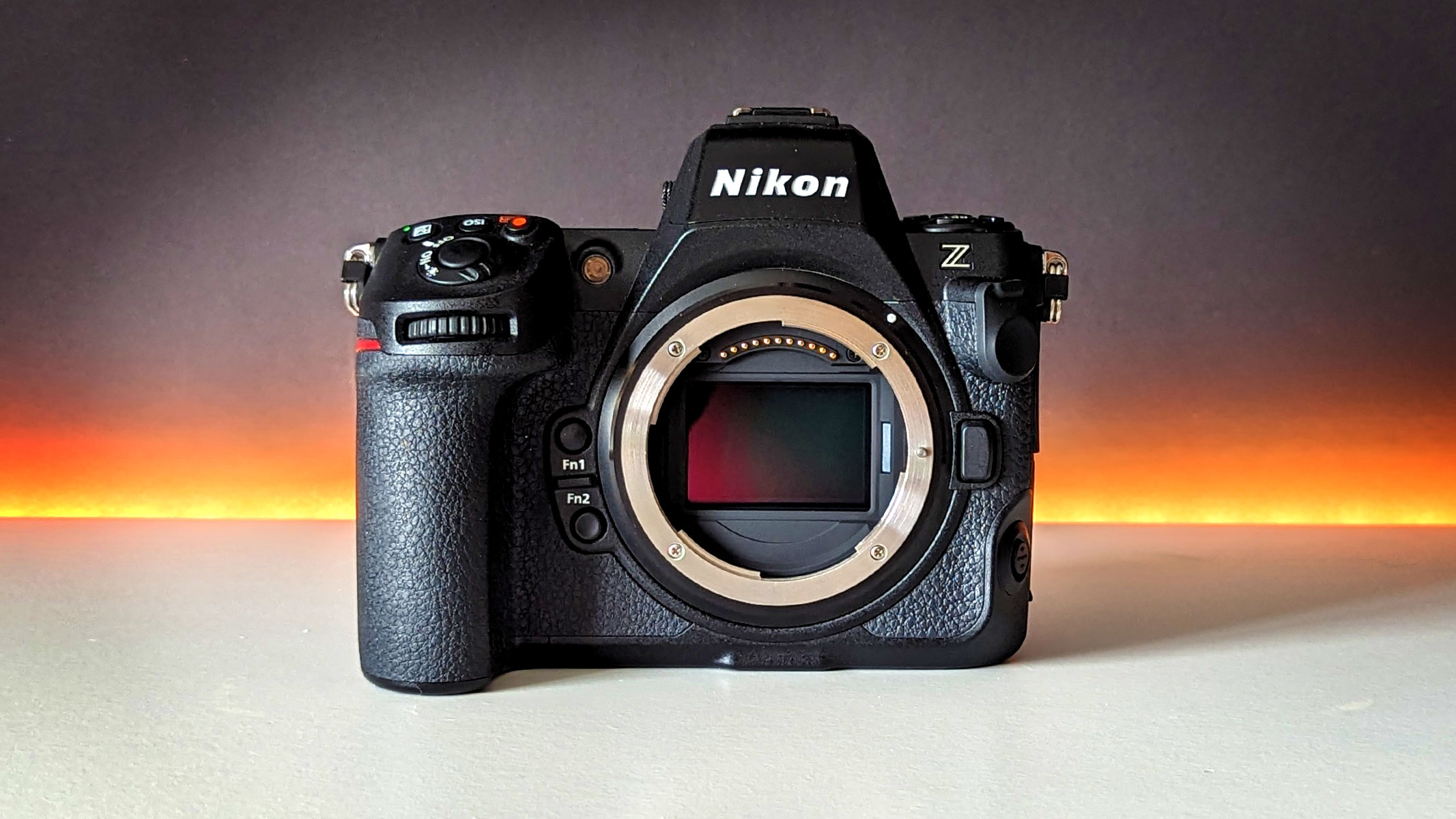
The Nikon Z 6III is the best full-frame camera we’ve tested. If you’re looking for a premium mirrorless camera that’s just shy of pro territory, you won’t be disappointed by the Z 6III. From design touches like a remarkably high-res viewfinder, excellent build quality, and thoughtful, customizable ergonomics to its excellent partially stacked sensor, quick burst shooting, in-body image stabilization (IBIS), and great autofocus, there’s very little that’s missing here. It’s also incredibly well-rounded for video, with lots of frame rate options, Log and 10-bit internal recording, as well as built-in RAW video support.
There’s a small catch, and that’s the fact that its partially stacked sensor does take a hit in dynamic range at lower ISO settings, but for most photographers, that’ll be negligible. If having the best possible dynamic range is important for your work, you may still want to consider an alternative like the Canon EOS R6 Mark II or the Sony α7 IV. Both of them have slightly better dynamic range performance and slightly more reliable autofocusing, but any of these three top-tier enthusiast cameras will impress if you’re upgrading or getting your first full-frame camera. The Nikon takes our top spot thanks to its build quality, ergonomics, and stand-out features like internal RAW video, but you should go with whichever model is within your preferred lens ecosystem.
Full-frame cameras aren’t known for their portability, but compact models like the Sony α7C II prove that you don’t need to give up portability to get full-frame image quality. With one of the most compact full-frame bodies on the market, the α7C II is a great choice for high-quality travel photography and street photos.
It uses the same sensor as the Sony α7 IV we mentioned above, so it captures excellent image quality and has a fantastic autofocus system. However, there are some trade-offs with a more portable camera, most notably its small viewfinder and cramped ergonomics, especially compared to a camera like the Nikon Z 6III. Still, if you’re looking for full-frame image quality in a compact camera body, it doesn’t get much better than the α7C II. If you’re on a tighter budget, the original Sony α7C is a great deal, though its internal video recording specs aren’t as advanced as its successor’s. But if you’re primarily a photographer, you won’t be disappointed.
The Panasonic LUMIX S5 II is the best full-frame camera we’ve tested for video work. It’s a very solid hybrid camera, but it really shines because of its video features, especially at this price point. With internal 10-bit 4:2:2 color and 4k 60 fps recording (albeit with an APS-C crop), along with nice touches for videographers like vectorscope functionality and a full-size HDMI port, it’s a very powerful option for videographers.
With this model, Panasonic also improved one of the biggest drawbacks of the original Panasonic LUMIX S5; the S5 II is the first LUMIX camera to feature a phase-detection autofocus system. While it still doesn’t quite match up to competitors like Sony or Canon in implementation, it’s a step in the right direction and rounds out a camera that offers a lot of value for its price. However, if you’re not as fussed about AF, the OG S5 is a steal of a camera for those on a tighter budget. Alternatively, if you need more advanced features like internal ProRes codecs and external RAW video output, you should opt for the more video-centric Panasonic LUMIX S5 IIx, though it’s a bit pricier.
 Site Title
Leave a comment